How to Spot Scholarship Scams and Fake Study Abroad Offers
Ten red flags, how to verify an offer and what to do if you have been targeted.
Guides are educational. Always confirm requirements with official sources.
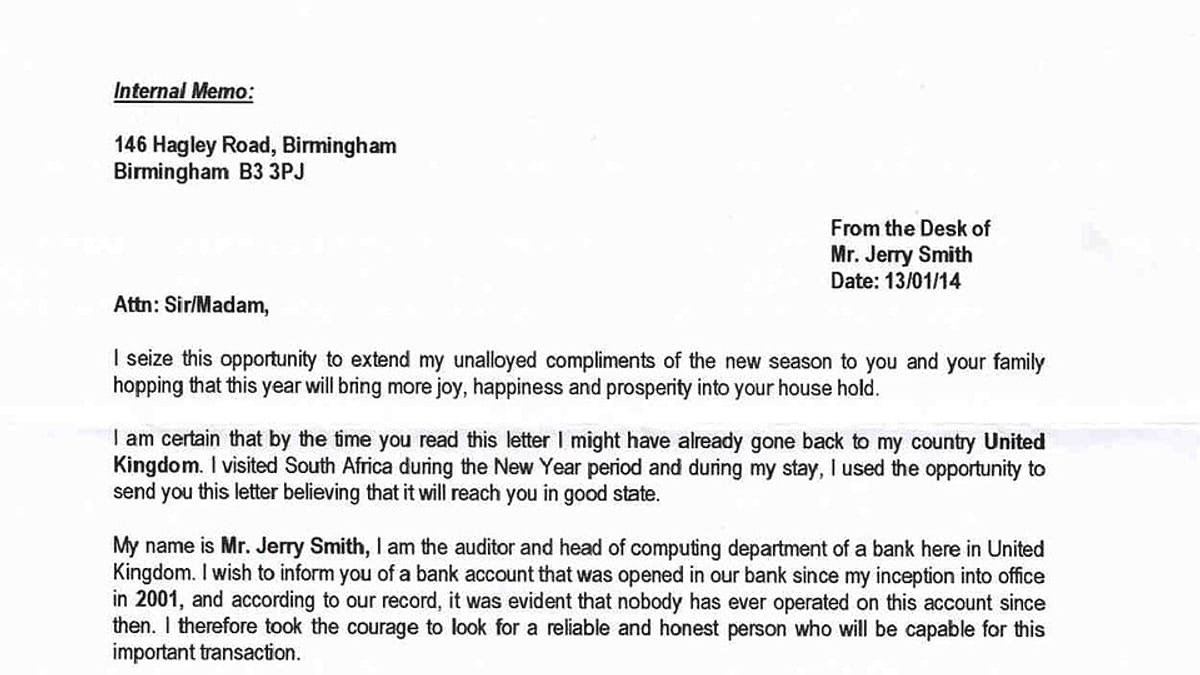
In brief: Legitimate scholarships do not charge application or processing fees, do not guarantee awards and are published on official government, university or foundation websites. If an offer asks for money, pressures you to act fast or arrives without your applying, treat it as a likely scam.
Ten red flags
- Fees to apply or "release" funds. Real funders pay you; they do not ask you to pay them.
- Guaranteed success. No legitimate scholarship guarantees an award.
- You won without applying. Unsolicited award notices are a classic scam.
- Pressure and deadlines in hours. Urgency is designed to stop you checking.
- Requests for bank details or passwords early in the process.
- Free email addresses such as Gmail for supposedly official programs.
- Websites that copy real program names with slight misspellings.
- Agents promising visas or admissions for a fee with no official partnership.
- Poor spelling and vague details about the funder.
- Requests to pay by gift card, crypto or money transfer.
Real vs fake: how they compare
| Legitimate scholarship | Scam |
|---|---|
| Listed on an official .gov, .edu or university domain | Found only on social media or unknown sites |
| Clear eligibility, deadlines and selection process | Vague criteria, everyone qualifies |
| No fee to apply | Fee to apply, process or claim |
| Contact through official channels | Contact through personal email or messaging apps |
How to verify an offer
- Find the program yourself on the official funder or university website, not through links in the message.
- Contact the university's admissions or financial aid office directly.
- Search the program name plus "scam" and check official warnings.
- Check that education agents are listed on the university's official agent page.
If you have been targeted
- Stop communication and do not send money or documents.
- If you shared bank details, contact your bank immediately.
- Report it: in the US to the Federal Trade Commission, in the UK to Action Fraud, and to your national cybercrime authority elsewhere.
- Warn classmates; scammers often target groups.
Next step: Every entry in our Scholarships Database links to the official program page and shows when it was last verified. Read more about avoiding online scams.
Frequently Asked Questions
Do real scholarships charge application fees?
Almost never. Some university applications have fees, but scholarships themselves should not charge to apply or claim an award.
How can I check if a scholarship is real?
Find it independently on the official funder or university website and contact them through official channels.