Health & FitnessHow-To
How to Reduce Stress: Practical Strategies That Work
Quick techniques for stressful moments and long-term habits for resilience.
This guide is general information. For medical, legal, financial or safety decisions, consult a qualified professional.
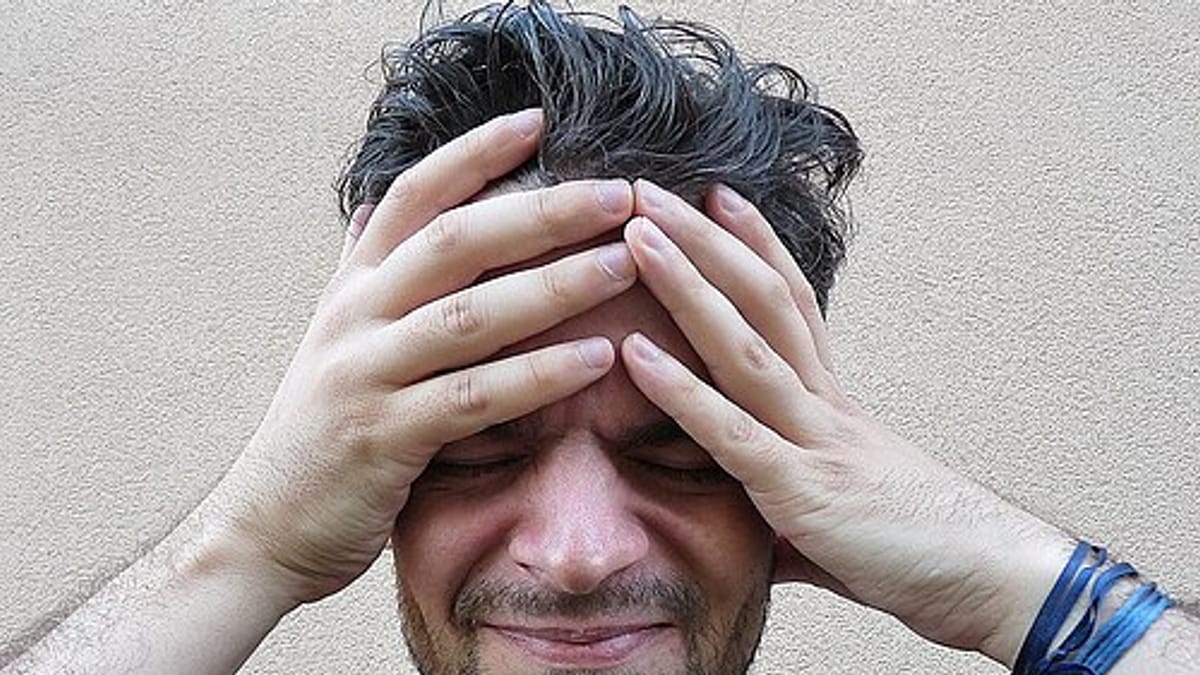
In brief: Stress is the body's response to pressure. Short bursts can be helpful, but chronic stress affects sleep, mood and physical health. These strategies are widely recommended by health organizations; if stress feels overwhelming or lasts for weeks, talk to a professional.
Steps
- Breathe slowly. Try breathing in for four seconds and out for six seconds for a few minutes. Longer exhales help calm the nervous system.
- Move your body. A brisk walk, run, bike ride or dance session can lift mood and reduce tension.
- Name what is stressing you. Write down your worries and separate what you can control from what you cannot.
- Break problems into steps. Choose one small action you can take today.
- Protect your sleep. Keep a regular schedule and a wind-down routine.
- Connect with others. Talk with friends, family or colleagues you trust. Social support is one of the strongest buffers against stress.
- Limit news and social media. Set times to check news rather than scrolling constantly.
- Make time for enjoyable activities. Hobbies, time outdoors and creative activities help you recharge.
Warnings
- If you have thoughts of harming yourself, contact emergency services or a crisis line immediately. In the US, call or text 988. In the UK and Ireland, Samaritans are available on 116 123.
Frequently Asked Questions
What is the fastest way to calm down?
Slow breathing with longer exhales can calm the body within minutes.