Life SkillsHow-To
How to Parallel Park in Six Simple Steps
A reliable reference-point method that works in most cars.
This guide is general information. For medical, legal, financial or safety decisions, consult a qualified professional.
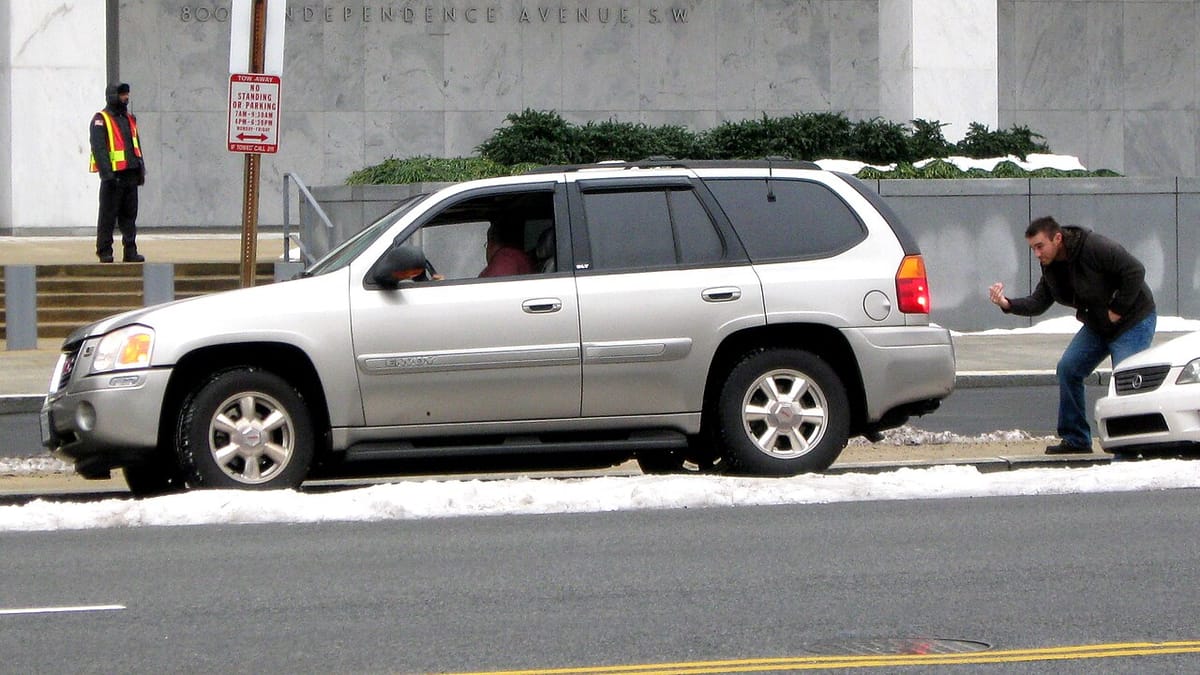
In brief: Parallel parking means fitting your car into a space along the curb between two parked cars. Choose a space at least one and a half times the length of your car, and go slowly.
Steps
- Signal and position. Signal your intention. Pull up alongside the car in front of the space, about 2 to 3 feet away, with your rear bumpers lined up.
- Check your surroundings. Check mirrors and your blind spot for traffic, cyclists and pedestrians.
- Reverse and turn toward the curb. Shift into reverse, turn the steering wheel fully toward the curb and back up slowly.
- Stop at about 45 degrees. When your car is at about a 45-degree angle to the curb, or the curb appears in the center of your rear window, stop. Straighten the wheel.
- Back straight in. Reverse slowly in a straight line until your front bumper is just past the rear bumper of the car in front.
- Turn away from the curb. Turn the wheel fully away from the curb and continue backing slowly until your car is parallel with the curb.
- Center the car. Shift into drive and pull forward to leave space in front and behind. You should be within about 12 inches of the curb.
Tips
- Practice with cones or empty spaces before trying it on a busy street.
- Use your backup camera and sensors as aids, but keep checking mirrors and over your shoulder.
Frequently Asked Questions
How close to the curb should I park?
Most US states require you to be within 12 to 18 inches of the curb. Check local rules.