Health & FitnessHow-To
How to Meditate: A 10-Minute Guide for Beginners
A simple breath-focused practice anyone can start today.
This guide is general information. For medical, legal, financial or safety decisions, consult a qualified professional.
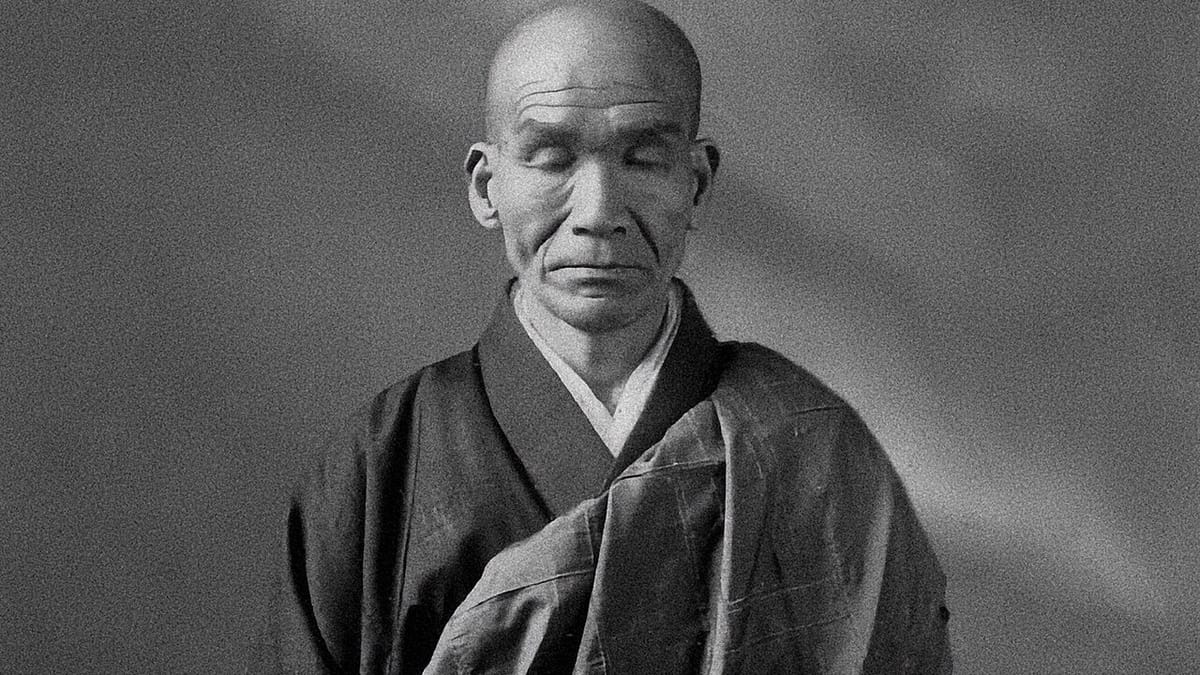
In brief: Mindfulness meditation involves paying attention to the present moment without judgment. Research suggests regular practice can help reduce stress and anxiety for many people. You do not need special equipment or beliefs.
Steps
- Find a quiet spot. Choose a place where you will not be interrupted for ten minutes.
- Sit comfortably. Sit on a chair with feet flat or on a cushion, with your back upright but relaxed. Rest your hands in your lap.
- Set a timer. Start with five to ten minutes.
- Close your eyes and breathe. Breathe naturally. Notice the sensation of air entering and leaving your nose or your belly rising and falling.
- Notice when your mind wanders. Thoughts will come; this is normal. When you notice, silently label it "thinking" and return to the breath.
- Be kind to yourself. Returning attention, again and again, is the practice. There is no failing.
- Finish gently. When the timer ends, take a moment to notice how you feel before opening your eyes.
Tips
- Meditate at the same time each day, such as after waking.
- Guided meditation apps and recordings can help beginners.
Warnings
- Meditation can sometimes bring up difficult emotions. If you have a mental health condition, consider practicing with guidance from a professional.
Frequently Asked Questions
How long should a beginner meditate?
Five to ten minutes a day is a good start. Consistency matters more than length.