Life SkillsHow-To
How to Make a Good First Impression
Small, practical habits that help at interviews, meetings and social events.
This guide is general information. For medical, legal, financial or safety decisions, consult a qualified professional.
In brief: Research suggests people form first impressions within seconds, but they are not fixed. You can make a strong start with preparation, open body language and real curiosity about the other person.
Steps
- Be on time. Arrive a few minutes early. Lateness signals that you do not value the other person's time.
- Dress for the context. Match or slightly exceed the expected level of formality, and make sure clothes are clean and fit well.
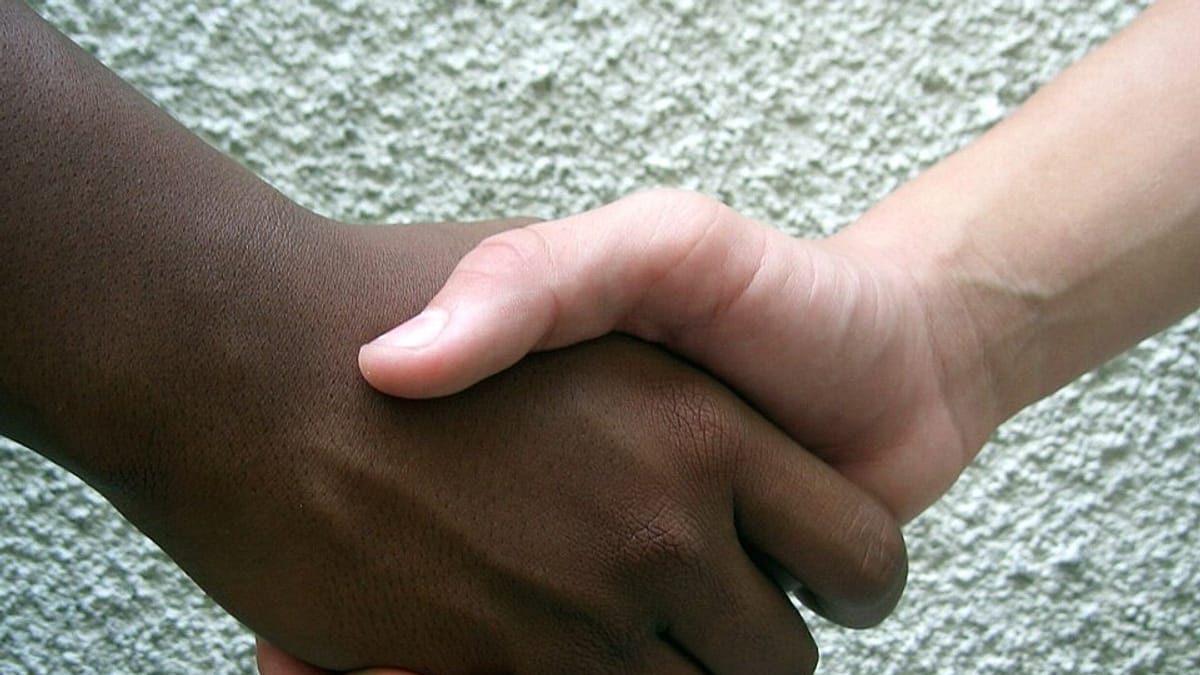
- Greet warmly. Smile, make eye contact, introduce yourself clearly and offer a handshake or the greeting customary where you are.
- Use their name. Repeat the person's name when you meet them; it helps you remember it and shows attention.
- Listen more than you talk. Ask open questions and follow up on what they say. Put your phone away.
- Be positive and authentic. Avoid complaining or gossip. Share real interests rather than trying to impress.
- Follow up. After an important meeting, send a short message thanking them and referring to something you discussed.
Tips
- Customs around handshakes, eye contact and personal space vary by culture; observe and adapt.
Frequently Asked Questions
Can you change a bad first impression?
Yes. Consistent, positive behavior over time changes how people see you.