TravelHow-To
How to Exchange Currency and Pay Abroad Without Overpaying
Use the right cards, avoid airport kiosks and always pay in local currency.
This guide is general information. For medical, legal, financial or safety decisions, consult a qualified professional.
In brief: Exchange fees and poor rates can quietly add a lot to a trip. Knowing how fees work helps you keep more of your money.
Steps
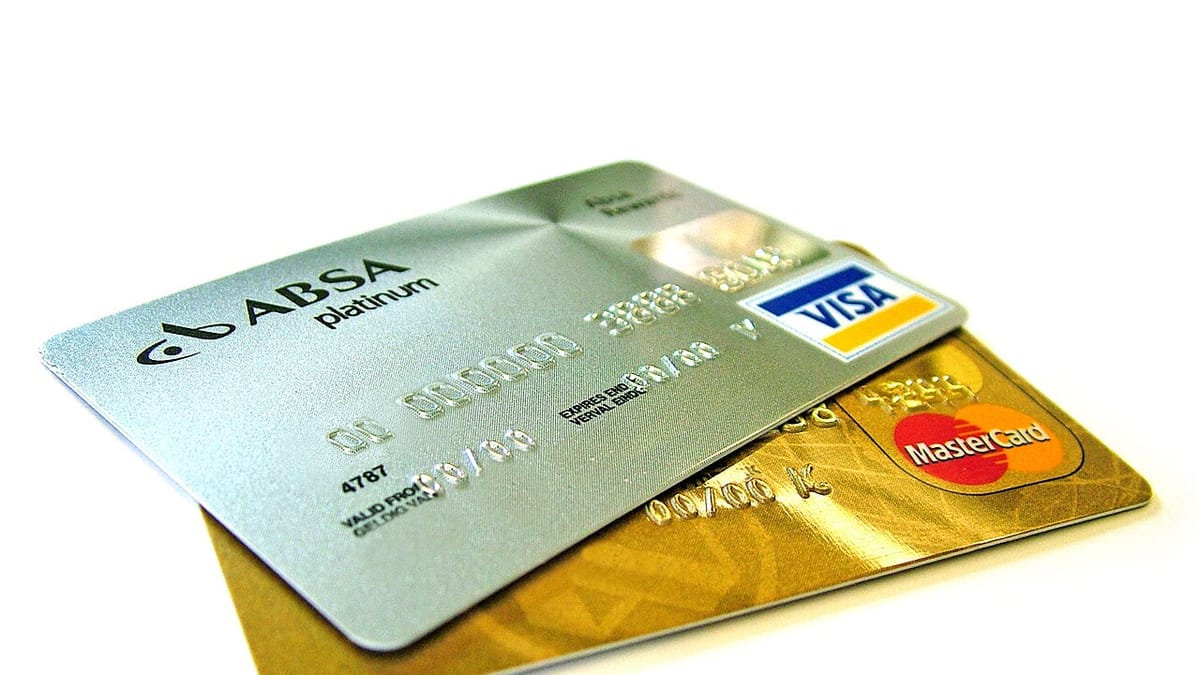
- Check your cards. Use a credit or debit card with no foreign transaction fees, and tell your bank you are traveling if required.
- Know the real exchange rate. Check the mid-market rate on a reliable currency site to judge offers.
- Always choose local currency. When a card terminal or ATM offers to charge you in your home currency, decline. This dynamic currency conversion often uses poor rates.
- Withdraw cash from bank ATMs. Use ATMs belonging to banks rather than standalone machines, and withdraw larger amounts less often to limit fees.
- Avoid airport and hotel exchanges. These usually have the worst rates. Exchange only what you need for immediate costs.
- Carry a backup. Bring a second card stored separately and some emergency cash.
Frequently Asked Questions
Is it better to exchange money before traveling?
Usually it is cheaper to withdraw local currency from a bank ATM on arrival, though a small amount in advance can help.