TravelHow-To
How to Avoid Common Tourist Scams
Recognize the classic tricks used on travelers around the world.
This guide is general information. For medical, legal, financial or safety decisions, consult a qualified professional.
In brief: Most scams rely on distraction, politeness or urgency. Knowing the common patterns makes them easy to spot and refuse.
Steps
- Use official taxis or apps. Take taxis from official ranks or use reputable ride apps. Insist on the meter or agree on a price first.
- Beware of distractions. Spills, petitions, dropped rings and staged arguments can be cover for pickpockets.
- Decline unsolicited "gifts". People who tie bracelets on your wrist or hand you flowers often demand payment.
- Be skeptical of "closed" attractions. If a stranger says a site is closed and offers to take you elsewhere, check yourself.
- Check prices before ordering. Ask for a menu with prices and check bills carefully.
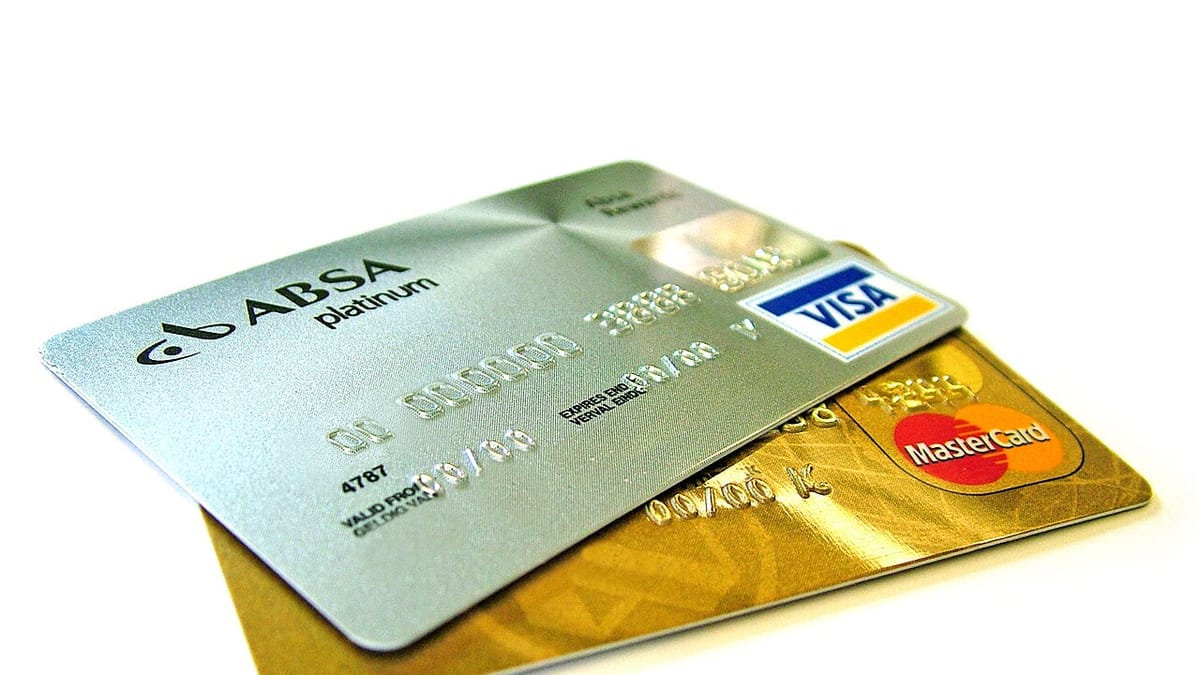
- Use bank ATMs inside branches. Cover your PIN and watch for card skimmers.
- Keep valuables secure. Use a zipped crossbody bag and avoid back pockets in crowded places.
Frequently Asked Questions
What should I do if I am scammed?
Report it to local police for insurance purposes, contact your bank if cards are involved, and inform your embassy if your passport is stolen.